The young man sharing the platform with the former Department of Homeland Security (DHS) agent was personable and easy to listen to. He spoke confidently and even made us laugh a few times. At first glance, before hearing his story, I did not anticipate the extent of the saga he eventually laid out for us … unimaginable things his trafficker did to him and allowed to be done to him when he was a young teen.
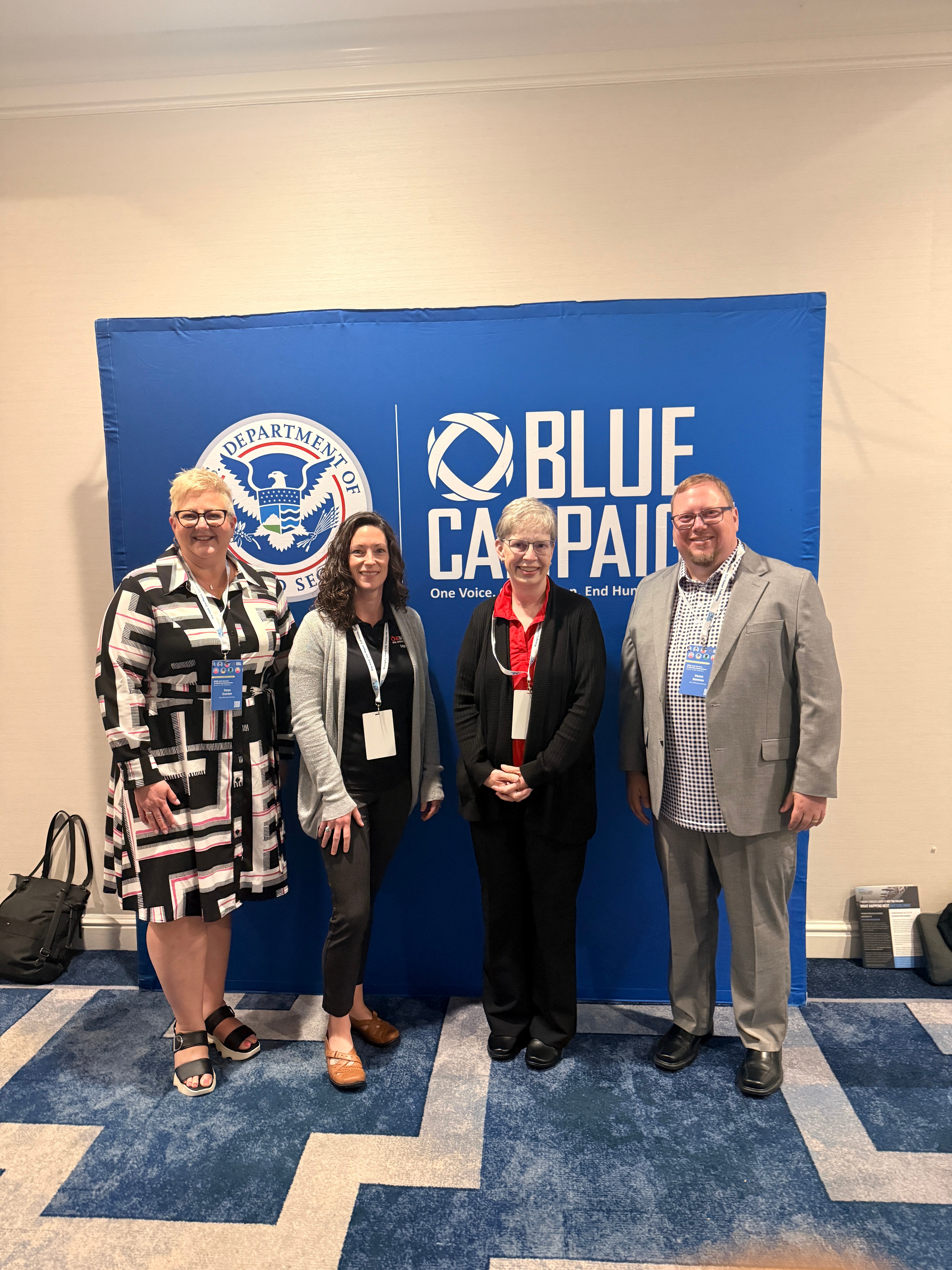
As I sat with my HOPE61 team, Darren, Tonya, and Randi, at the final session of DHS’ 2026 Anti-Human Trafficking Symposium in Washington, D.C., the thought that kept racing through my mind was that no one should ever experience what Jose and other trafficking survivors we heard from have endured. HOPE61 exists to prevent human trafficking.
When we decided to attend this symposium hosted by the DHS Blue Campaign, we went with confidence that the work God is doing through HOPE61 is making strides in preventing human trafficking in many parts of the world. We also went humbly and teachably, knowing that we can always learn more and, through God’s leading, use what we learn to refine what we share.
Our takeaways from the symposium confirmed both mindsets.
From several individuals and organizations, we heard information about human trafficking that aligns exactly with what we share in our ENGAGE trainings … the different types of trafficking, the enormity of the problem, and the myriad ways a person might be vulnerable to becoming involved in trafficking, just to name a few. I was encouraged to know that we continue to present accurate information as we work hard to stay current with what is happening around the world.
In all our training sessions, we emphasize the importance of strong community as a key part of preventing people from becoming involved in human trafficking. During the symposium, we heard from several people who survived terrible trafficking situations, including Jose. They described how vital community is. One woman shared that before her experience, “There wasn’t much community.” Jose said, “We heal when we are in community with one another.”
We also gained important insights. We must not do ministry in a vacuum. Connecting with people from other organizations and hearing how they are working to combat human trafficking was encouraging. From those who operate the National Human Trafficking Hotline to lawyers discussing the Trafficking Survivor’s Relief Act to human trafficking survivors who shared their experiences, and so many others, it’s clear that many people are committed to ending human trafficking. Every role is vital.
But that brings me back to my earlier thoughts. No one should ever experience what survivors of human trafficking have endured. That is why we are passionate about preventing vulnerable people from becoming involved in trafficking, whether as a victim, a buyer, or a trafficker.