
Go, See, Be Changed—Then Lead the Change
Account: # BY: Rich Yoder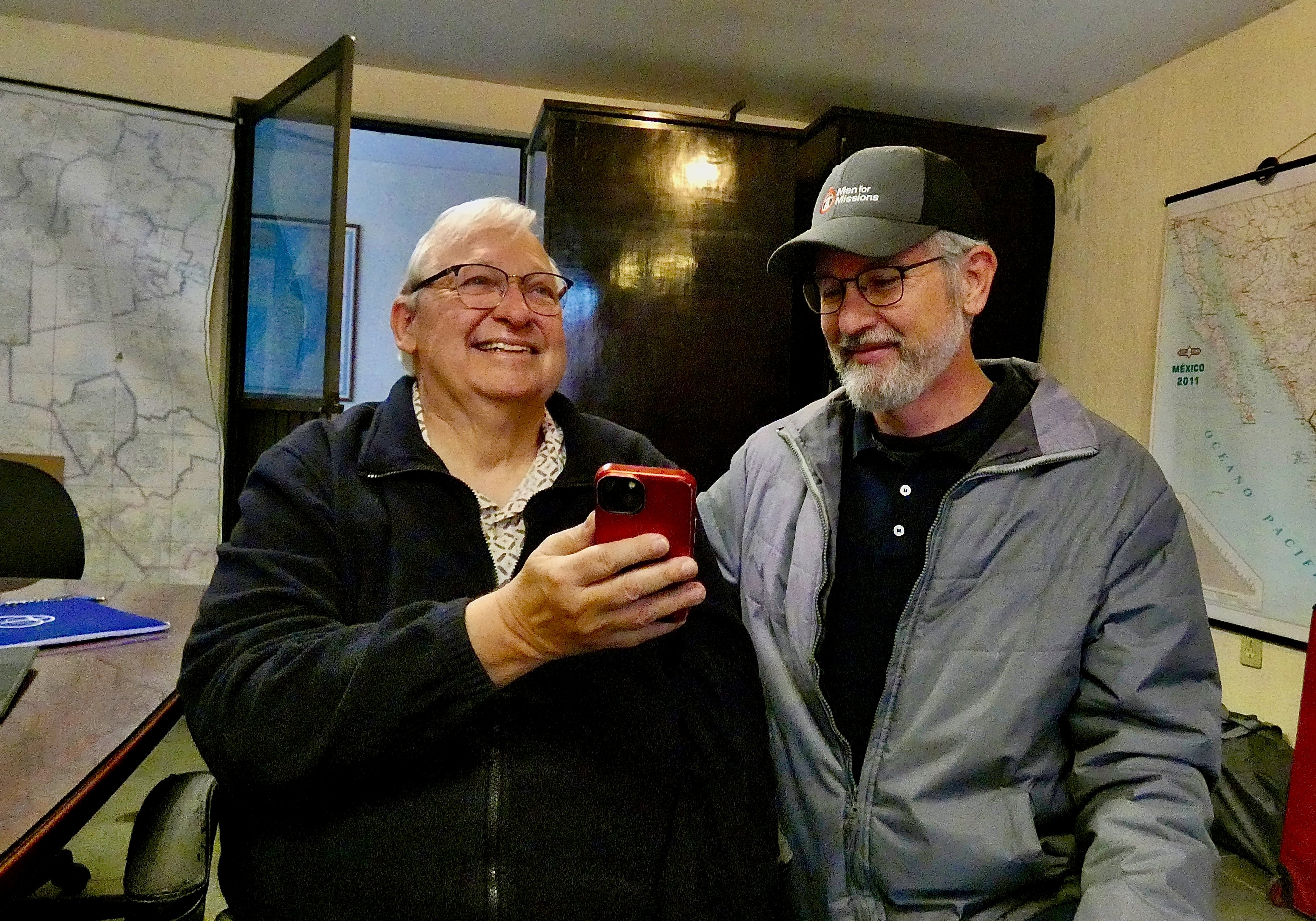
There are few callings as demanding—and as sacred—as pastoral ministry.
A typical week can feel like controlled chaos: hospital visits, crisis counseling, sermon preparation, staff meetings, weddings, funerals, discipleship groups, and the quiet (or not-so-quiet) weight of shepherding people through real life. And then there’s Sunday—the 30 to 45 minutes that often carry disproportionate scrutiny, requiring additional hours of unseen labor.
It’s no surprise that the urgent tends to win. Immediate needs are visible. They have names, faces, and deadlines. Meanwhile, the reality that billions of people worldwide have little to no access to the Gospel can feel distant. Important? Yes, but not pressing.
And yet … something is stirring.
Across the church in America, there is a growing awareness that the Great Commission is not a side ministry; it is central to the church's mission. Pastors and mission leaders are asking deeper questions: How do we move from addition to multiplication? From programs to disciples who make disciples? From local faithfulness to global engagement that is deeper than check writing?
And here’s the challenge: It’s difficult to lead people where you haven’t been. That’s where a field visit changes everything. Seeing ministry in action—walking alongside national leaders and missionaries, hearing stories firsthand, observing disciple-making movements up close—has a way of reframing priorities, sharpening vision, and renewing calling in ways that no book, conference, or podcast can replicate.
From our perspective at One Mission Society (OMS), we’ve seen it repeatedly: When pastors and ministry leaders go and see, they don’t come back the same. So, here’s a simple invitation—no pressure, just possibility: Come and see.
What Happens When You Go
One of our Church Partners representatives, Rich Yoder, extended a simple invitation to a pastor he had been walking with, “Let’s go to Mexico and see.” That invitation set the stage for something far more significant than a typical mission trip.
The OMS work in Mexico began in 1990, helping catalyze what would become the UNIFAM (United Families in Christ) church association. What began as a seed has, by God’s grace, grown into a multiplying movement. It’s built on a simple yet intentional process: Model, Assist, Watch, and Leave (MAWL). But systems and strategies only come alive when you see them embodied. That’s exactly what Pastor Mike Dillon experienced.
“I thought I could do some ministry that pastors usually do on mission trips. What I did not expect was how the Holy Spirit would nudge me,” said Mike.
Like many pastors, Mike had done the work. He had studied, strategized, read the books, attended seminars, hired coaches, and pursued every avenue to help his church grow and thrive. And yet, progress felt slower than expected. Then came an unexpected moment—over pizza and conversation—that would shift his perspective.
Mike, reflecting after the trip, wrote, “I never expected that having pizza and a conversation about missions and the church I serve would impact my life and ministry so much.”
That’s the nature of field exposure. It’s not just what you see—it’s what you feel, what you wrestle with, and what God begins to help bring to the surface. In Mexico, Pastor Mike encountered something both deeply familiar and profoundly challenging: accountability-driven discipleship.
Across five very different ministries—a homeless outreach, a women’s ministry, a structured discipleship pathway, a multiplying small group network, and a seminary—there was one consistent thread: clear, intentional, stage-based discipleship with real accountability.
Not vague growth. Not assumed maturity. But a shared expectation: Disciples grow in identifiable stages, obedience precedes advancement, and everyone is expected to make disciples. This wasn’t theoretical. It was visible. Small groups had multiplied into new churches. Leaders were being raised up locally. Churches were not just growing—they were reproducing. And perhaps most strikingly, this wasn’t built on complexity. It was built on clarity and obedience.
Mike summarized his takeaway with disarming simplicity, “Being a disciple of Jesus is not primarily about models and systems; it is about loving and being obedient to Jesus.”
That’s not a rejection of strategy, it’s a recalibration. At OMS, we care deeply about systems, training, and structure. We talk about roles like field directors, national coordinators, and church multiplication facilitators—leaders who coach, mentor, and support movements over time. But none of it works without the foundation of obedient discipleship. Field visits have a way of bringing that into focus.
