When I first joined HOPE61, I had just returned to the United States after living overseas. During that time, I came face-to-face with realities of human trafficking that I didn’t even have words for at the time. I couldn’t stop thinking about the faces, the fear, and the silent suffering I had seen.
For many of us in the U.S., human trafficking feels distant, like something that happens “somewhere else.” We go about our daily lives largely untouched by it—or so it seems. But the truth is, America is one of the largest consumers of human beings in the world. Here, trafficking is often hidden in plain sight, masked by normalcy and convenience. What happens in other countries out in the open often happens here in the shadows.
One of my trips to a country in central Africa forever changed how I see this issue. During a HOPE61 ENGAGE training there, we were discussing organ trafficking when one of the participants quietly asked, “What about eyes?” His question caught me off guard, and the room fell silent. He explained that some beggars, people already living in unimaginable poverty, had been attacked, and their eyes were taken and sold to other countries to be used in medicinal creams. People were profiting from pain, turning human suffering into something to be bought and sold.
As he spoke, I remembered seeing men and women along the streets with empty spaces where their eyes should have been. I hadn’t understood what I was seeing until that moment. The realization hit hard … these were not random injuries but evidence of exploitation. I’ve seen a lot of pain in my travels, but that story broke something in me. It was a brutal reminder of how deeply the image of God is desecrated when we fail to see the worth of a human life.
Later, on that same trip, we visited an area near the mines where minerals are extracted for cell phones, electric vehicle batteries, and other everyday electronics. From the air, you can see the mines stretching for miles. But what broke my heart were the faces of the children who had escaped from them.
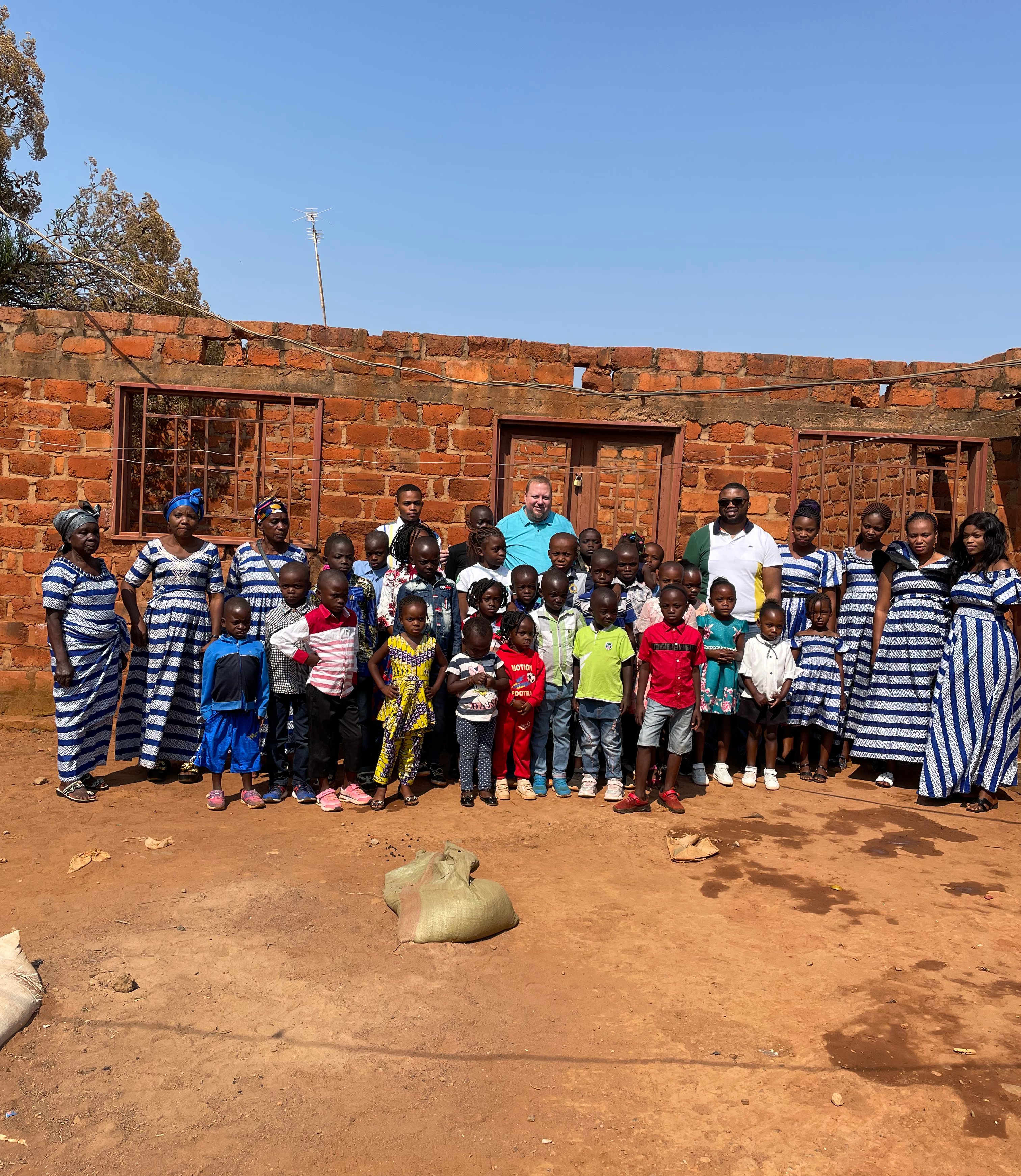
My host’s ministry includes several facilities called Hope Centers, which is where their outreach to vulnerable communities begins. At this particular center, he and his team minister to those who run away from the mines after being trafficked, meeting their physical, emotional, and spiritual needs as they work to heal from deep trauma and brokenness. He explained to me that so many children in the region had been trafficked that the traffickers rarely tried to recapture those who escaped; they simply went and abducted more. When I asked how many of the children that I would meet had been trafficked, his words pierced me: “If they are over the age of five—all of them.”
As we stepped out of the car, children came running. They were laughing, playing, and eager to greet us. They looked like any group of happy kids, full of energy and joy. But behind those smiles were stories of forced labor, trauma, and loss that no child should ever know. That no child, no person, should ever know.
That is why HOPE61 exists. Working in prevention means we rarely see the full impact of what’s been stopped before it happens. But we know the difference it can make. Every training, every conversation, every pastor or leader who is equipped to recognize vulnerability can change the course of a life.
Over the past fifteen years, we’ve seen the ripple effects of prevention. Communities once unaware are now alert, churches are responding, and leaders are teaching others to recognize exploitation before it begins. In South America, new trainers we have equipped over the past year are now leading their own sessions, engaging churches to transform their own communities.
But every new story reminds me: there is still more to be done. The need is vast, but so is God’s faithfulness. As we celebrate 15 years of HOPE61, I am filled with gratitude and hope for what’s ahead because when the Church opens its eyes to see the vulnerable and takes action to protect them, we reflect the heart of Jesus Himself—the One who came “to proclaim freedom for the captives and release from darkness for the prisoners.”
This is why we do what we do.
This is HOPE61.