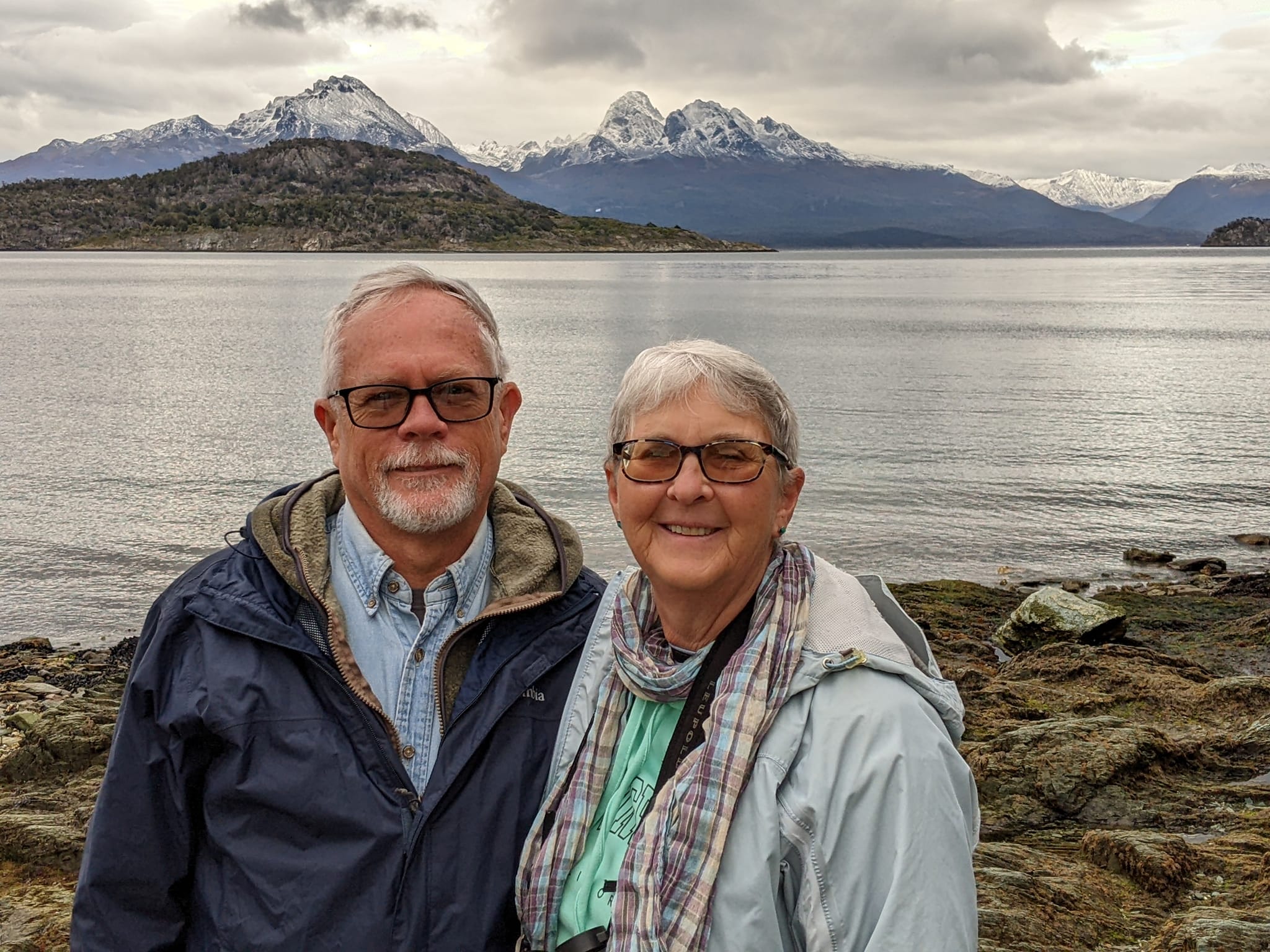
Take a moment to picture your typical Easter Sunday. Maybe it begins with a sunrise service in the crisp morning air. Perhaps you hunt for candy-filled Easter eggs or share a meal with loved ones after a morning church service. Around the world, Easter can look very different, shaped by culture, tradition, and community.
No matter where our One Mission Society (OMS) missionaries serve, the message of Christ’s resurrection remains the same. What changes is how it’s celebrated, influenced by the culture's rhythms and customs. From sprinkling water on people to carefully avoiding fish bones in their soup, missionaries sometimes experience Easter in unfamiliar ways. Here’s a glimpse of Easter through the eyes of OMS missionaries.
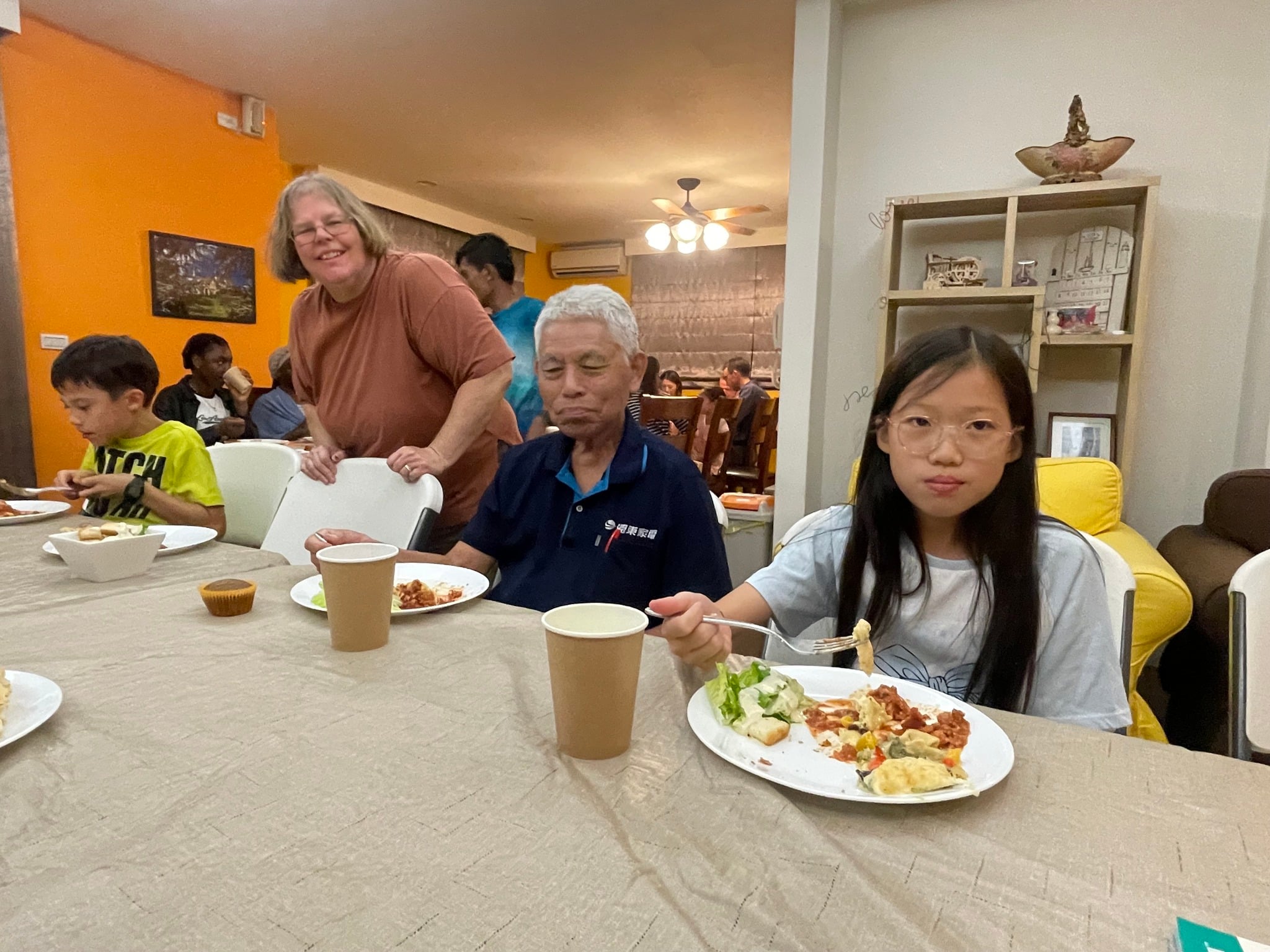
In Taiwan, where many people practice folk religion, traditional U.S. Easter items like chocolates, greeting cards, and Easter baskets are nearly impossible to find. Many Christian churches celebrate with baptisms, a tradition that seems to trace back to the first missionaries more than a century ago. Each year, Mark and Michelle Dinnage host Easter meals, gathering with both an English-speaking congregation and local youth for dinner and Bible study. They also join fellow missionaries for a cherished Maundy Thursday Passover Seder.
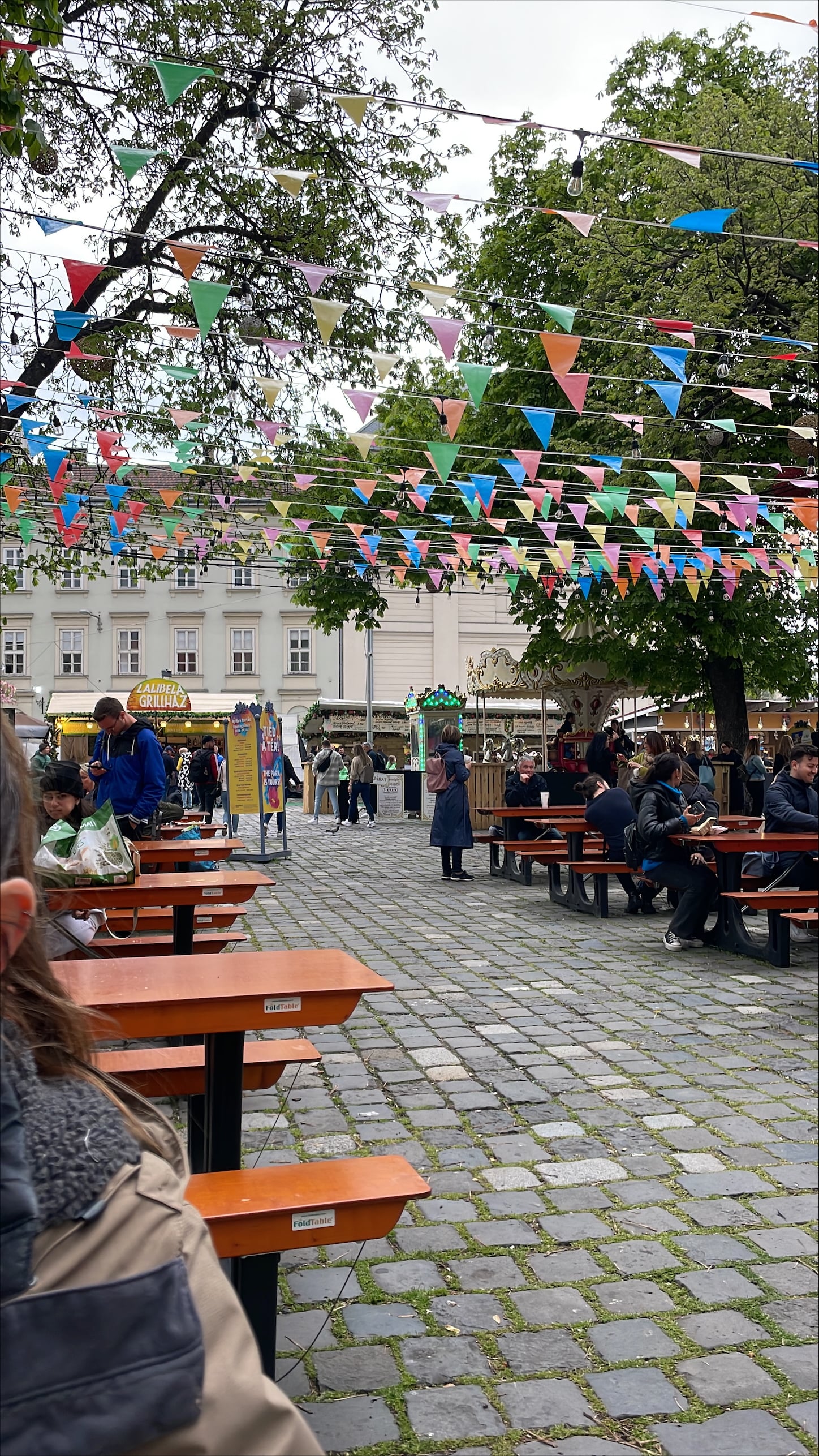
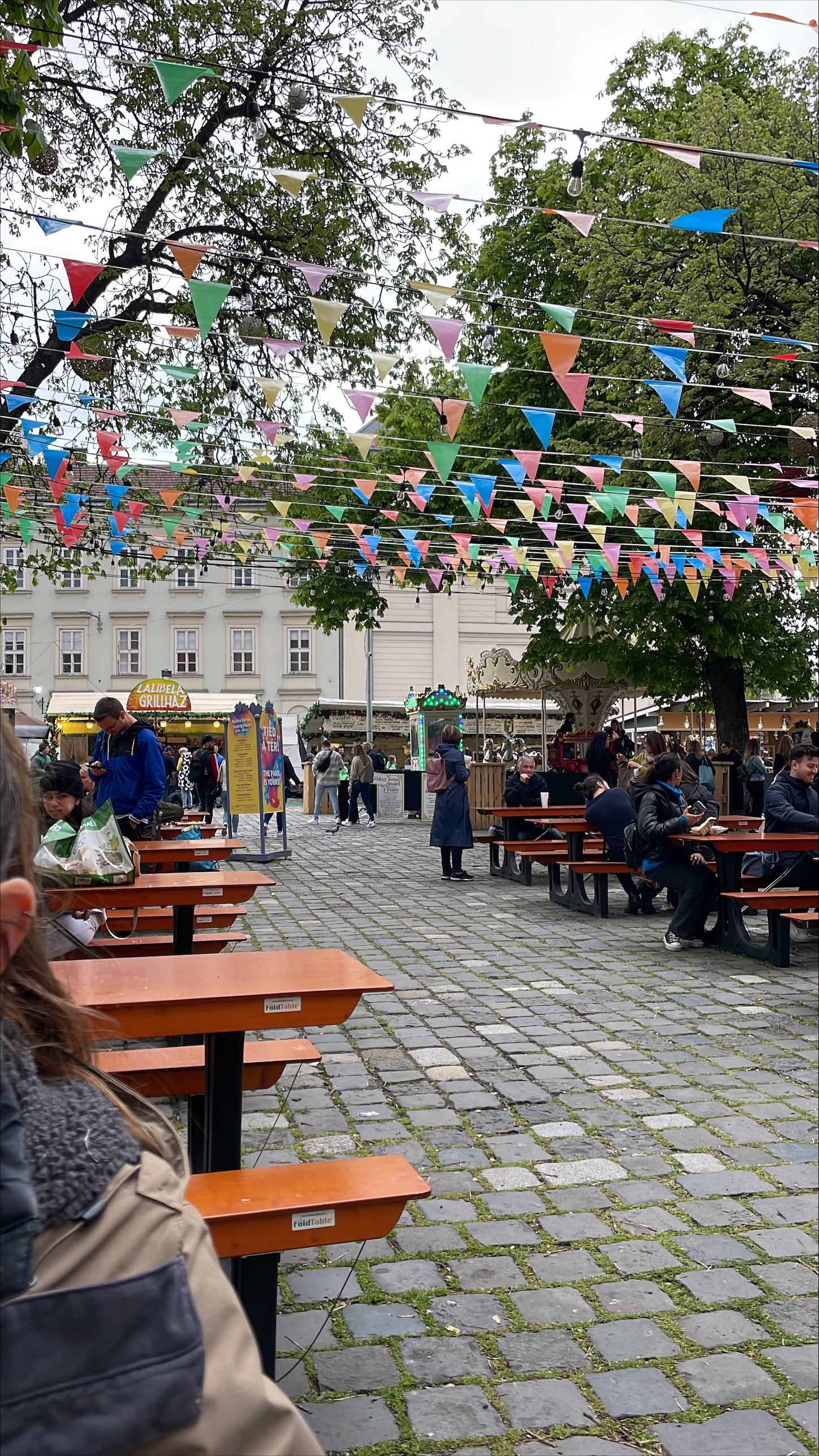
In Hungary, Daniel and Amanda Buck began Easter with a morning church service, followed by a meal with loved ones. There, Easter is a major family holiday, with many taking Easter Monday off work to spend more time together. Hungarian Easter eggs are often intricately decorated, far more ornate than the painted eggs commonly seen in the U.S. Another tradition involves lightly sprinkling women with water in exchange for a small gift. During this season, missionaries also use opportunities like English clubs and other ministries to share the message of the resurrection.
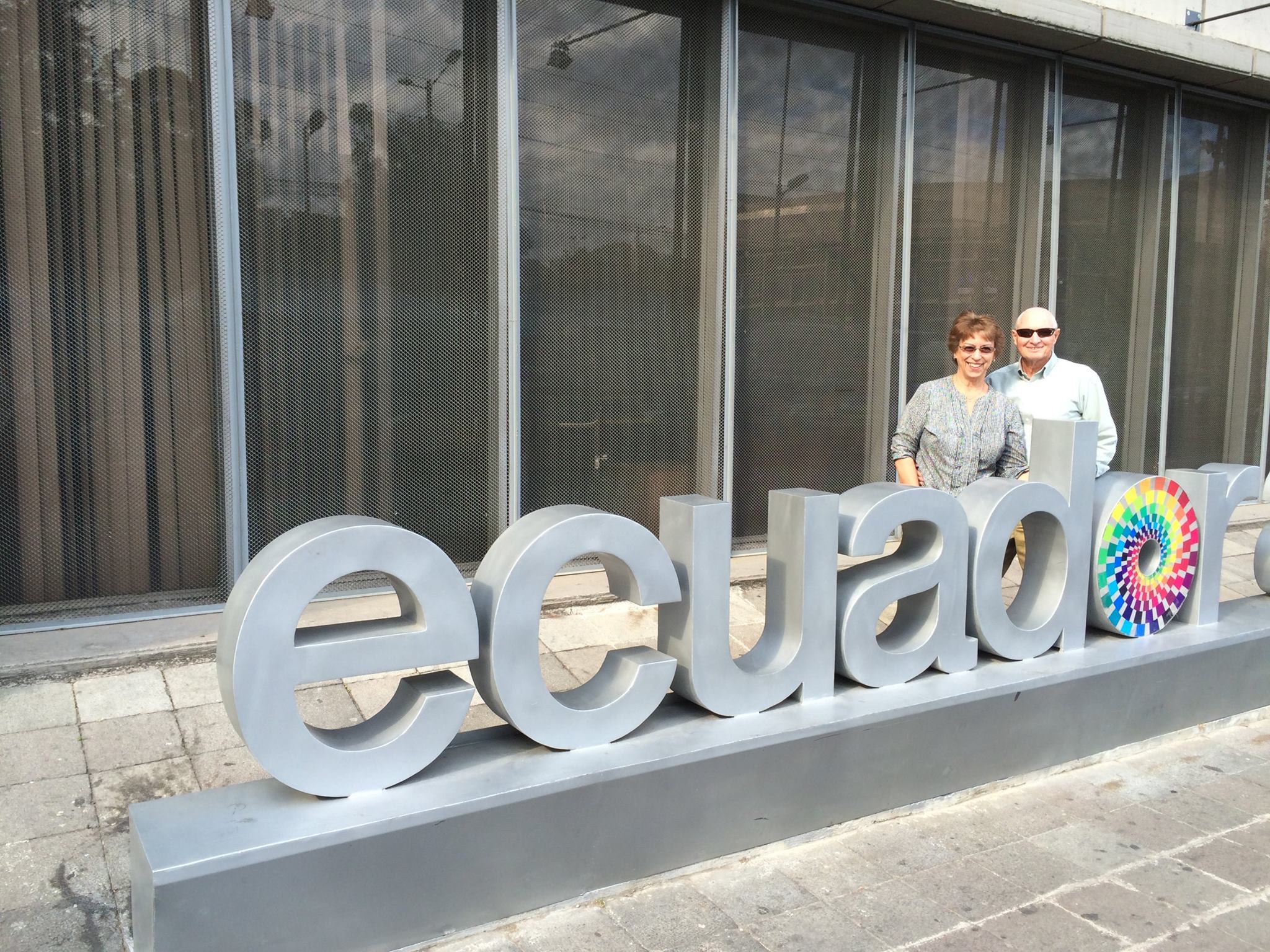
In Ecuador, one of the most well-known customs is preparing fanesca, a thick soup made with at least 12 different grains to symbolize the 12 apostles. The traditional soup also includes dried, salted codfish, which must be soaked for 24 hours before cooking. Just be careful, Tom and Susan Stiles warn; one must watch out for hidden fish bones.
Easter in Ecuador also included familiar U.S. traditions for the Stileses. The tradition of Easter egg hunts continued with real, colored eggs hidden around the yard. Their children loved searching for them and sometimes discovered the well-hidden eggs months later. Easter in Ecuador also brings large parades and celebrations. Amid the festivities, missionaries find ways to share Christ’s hope. Roger Skinner recalls one Easter when their church read Scripture outside to people passing by.
Though the traditions vary from place to place, the message our missionaries carry remains the same: Christ is risen.